How to choose work trousers
By Workrig team · Updated 2026-11-01
Work trousers are the garment most tradespeople wear every day and replace most often, so the right pair pays for itself.
Fabric
| Fabric | Pros | Cons | Best for |
|---|---|---|---|
| Poly-cotton (65/35, 245-300 gsm) | Cheap, hard-wearing, holds colour, washes easily | Little stretch, warm in summer | General trades, uniform |
| Stretch poly-cotton (with elastane) | Moves with you, comfortable kneeling | Costs more, avoid hot tumble drying | Electricians, plumbers, fitters |
| Ripstop | Light, tear-resistant | Thinner, less warm | Summer, landscaping |
| Cordura-reinforced | Knees and pockets last much longer | Heavier, pricier | Floorers, joiners, groundworkers |
Pockets
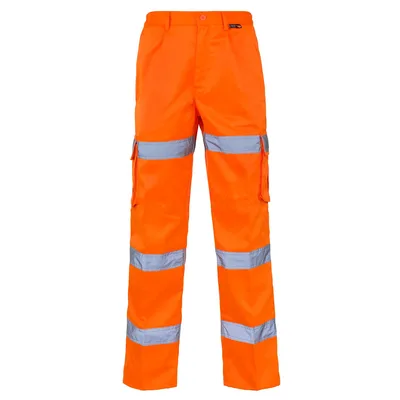
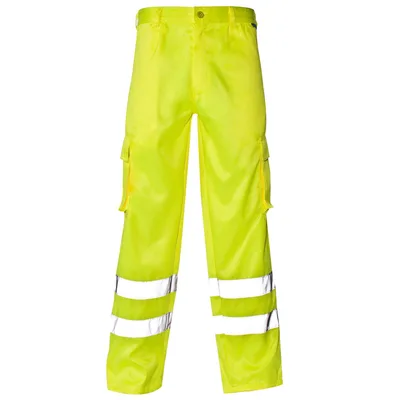
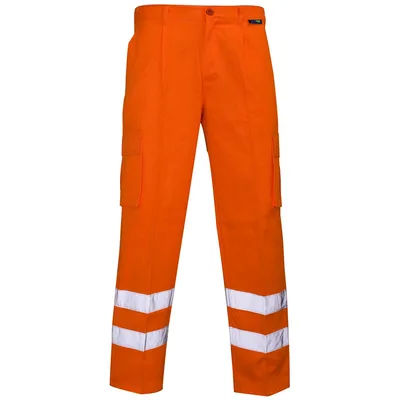
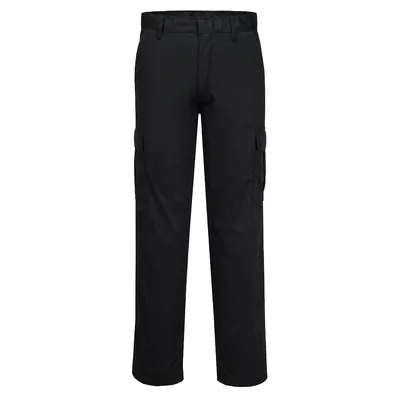
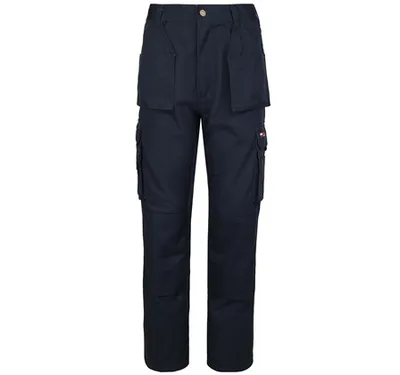
- Cargo: thigh pockets for phone, tape, pencils. The classic.
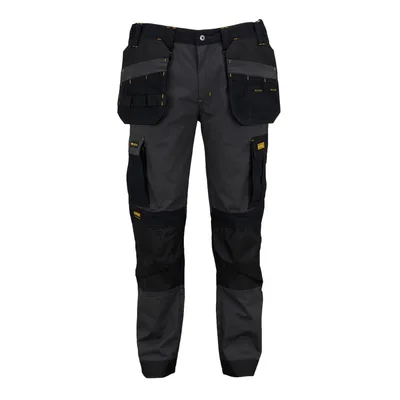
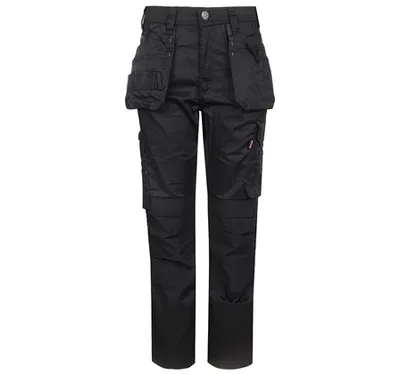
- Holster: fold-out pockets that hang from the waist for screws and fixings; tuck away when empty. Common with electricians, joiners, plumbers.
- Knee-pad pockets: top- or bottom-loading. If you kneel, get them; pads cost from a few pounds.
- Hammer loop and ruler pocket: joiners, roofers.
Fit and length
Regular leg is about 32 inches; short 30, tall 34. Many trade trousers are sold in one length and hemmed, so check. Stretch styles fit closer; non-stretch, buy your usual waist and expect a looser leg.
By trade
- Electricians: stretch holster-pocket trousers with knee-pad pockets.
- Plumbers: holster pockets, knee pads, dark colours.
- Joiners and carpenters: Cordura knees, holster pockets, hammer loop.
- Groundworkers and bricklayers: heavy poly-cotton or Cordura-reinforced cargo trousers.
- Warehouse and delivery: light cargo or work joggers.
- Security and hospitality: plain black work trousers with a crease.
Shop work trousers, holster pocket trousers and womens work trousers.