Hi-vis Class 1, 2 and 3 explained
By Workrig team · Updated 2026-11-01
EN ISO 20471 is the standard for high-visibility clothing in the UK and EU. The class on the label is set by how much fluorescent background material and retroreflective tape the garment carries. More material, higher class.
The three classes
| Class | Fluorescent background | Retroreflective tape | Typical garments |
|---|---|---|---|
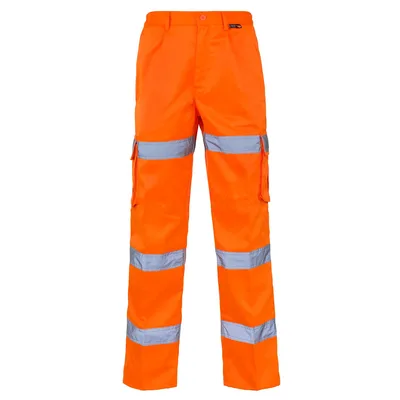
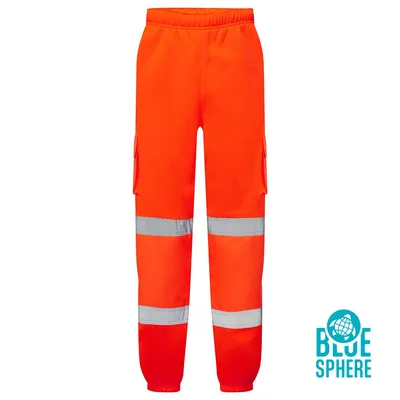
| Class 1 | 0.14 m² | 0.10 m² | Trousers, harnesses; lowest level |
| Class 2 | 0.50 m² | 0.13 m² | Vests, waistcoats, polos, t-shirts |
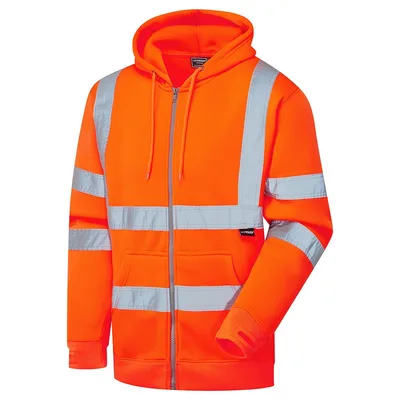
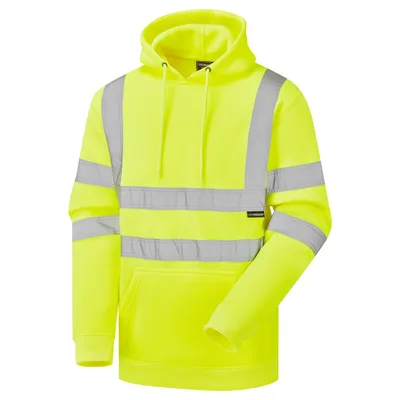
| Class 3 | 0.80 m² | 0.20 m² | Jackets with sleeves, coveralls, long-sleeve polos with tape |
Areas are the minimum on the garment, which is why a Class 3 garment nearly always has sleeves: a vest cannot reach 0.80 m² of fluorescent material on its own.
Which class do I need?
- Working on or near roads with traffic over 50 mph (motorways, dual carriageways): Class 3, and most contractors require Class 3 for any highways work.
- Network Rail: Class 2 minimum for vests, orange, to RIS-3279-TOM; Class 3 jackets for most roles.
- Construction sites: usually Class 2 vest minimum; Class 3 for banksmen and plant marshals.
- Warehouses, car parks, events, delivery: Class 2.
- Airports (airside): Class 3 is common.
Your risk assessment or site rules decide; the standard only tells you what each class guarantees.
Combining garments
EN ISO 20471 lets you certify an ensemble: a Class 2 vest with Class 1 trousers can be assessed together as Class 3, but only if the manufacturer has certified the combination. Two garments each marked Class 2 do not automatically add up to Class 3 unless the label says so.
Colours
Fluorescent yellow, orange-red and red are the only permitted colours. Yellow is the default on sites and roads; orange is required on the railway and preferred where yellow plant is in use.
Washing and lifespan
The label shows a maximum number of washes (often 25 or 50) after which the fluorescence and tape may fall below the standard. Hi-vis that has faded, is dirty, or has damaged tape no longer meets its class.
Shop hi-vis vests (Class 2) and hi-vis jackets (Class 3).